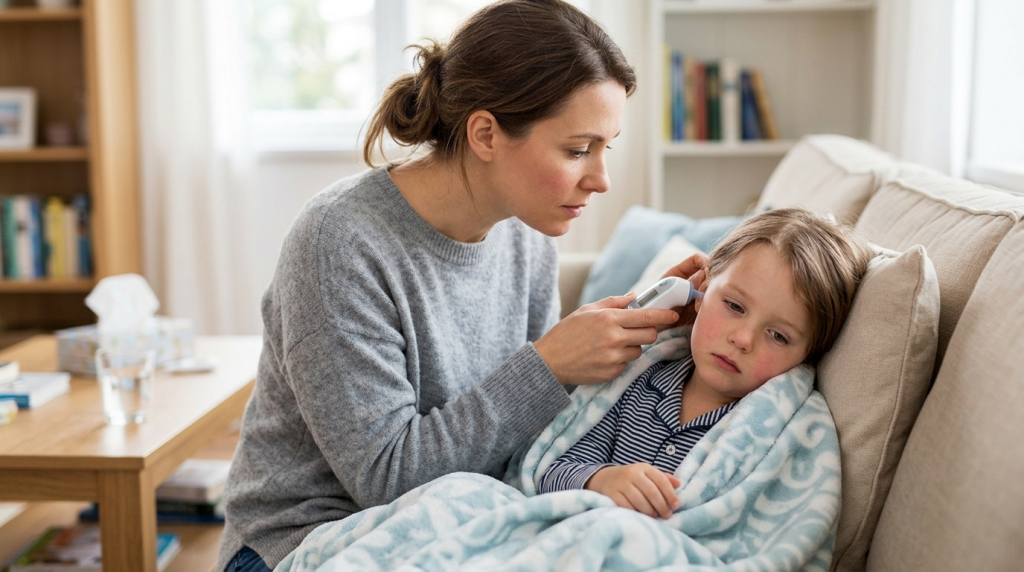
You hear it from the other room: that unmistakable sound of your child coughing. Your mind starts racing: Is this a normal cough in children? Could it be croup? Do I need to take them to A&E?
As a primary healthcare nurse, I understand how worrying a child’s cough can be. The good news is that most childhood coughs are caused by common viral infections and resolve on their own with rest and fluids at home. In fact, preschoolers can experience up to 8–12 cough-related illnesses per year as their immune systems develop.
However, different types of cough mean different things. Knowing how to identify a croup cough versus a whooping cough versus a simple post-viral cough can help you decide whether to stay home, visit your GP, or go to the emergency department.
In this guide, I will walk you through the most common types of cough in children, safe home management strategies, and the red flags that mean it is time to seek medical help.
What Parents Ask Most About Cough in Children
How can I tell what type of cough my child has?
The sound of the cough is your biggest clue. A barking cough suggests croup. Whooping cough has a distinctive “whoop” sound after a coughing fit. A wet, productive cough usually means a chest infection or cold. A dry, tickly cough is often post-viral or from allergies.
Is it safe to give cough medicine to my child?
No. Over-the-counter cough and cold medicines are not recommended for children under 6 years old. For children aged 6–12, they should only be used on the advice of a pharmacist or GP. There is little evidence that they work, and they can cause side effects, including drowsiness. Honey (for children over 12 months) is a safer, evidence-backed alternative.
How long should a cough last before I worry?
Most viral coughs last 1 to 3 weeks. Around 10% of otherwise healthy children coughing with a head cold are still coughing after 3–4 weeks. If a cough persists beyond 3 weeks or if it is getting worse rather than better, speak to your GP.
When should I seek emergency care for a cough?
Seek emergency care immediately if your child has difficulty breathing, is making a grunting noise with each breath, has blue lips or tongue, is struggling to speak or cry, or has a high-pitched squeaking noise when breathing in (stridor).
Why is my child coughing only at night?
Nighttime coughing is common and usually caused by postnasal drip (mucus pools at the back of the throat when lying down), asthma (nighttime is a common trigger), croup (symptoms often worse at night), or reflux (stomach acid irritates the throat when lying flat).
Can teething cause a cough?
No. Teething does not cause a cough. Teething can cause drooling (which may cause a mild gagging sound, not a true cough) and mild fussiness. If your teething baby has a persistent cough, fever, or runny nose, they have a virus – not a teething problem.
When can my child go back to school?
| Condition | When to Return |
| Common cold with cough | When fever-free for 24 hours and well enough to participate |
| Whooping cough | After 48 hours of antibiotics OR 3 weeks from symptom onset |
| Croup | When the fever is gone, and the child is breathing comfortably |
| Post-viral cough | Can return even with residual cough – it may last weeks |
Common Types of Cough in Children
Here is a quick reference table to help you identify different coughs:
| Type of Cough | What It Sounds Like | Common Cause | When to Worry |
| Croup cough | Barking or seal-like cough, often worse at night | Viral infection causing swelling around the voice box | If stridor (noisy breathing) occurs at rest, or breathing difficulty |
| Whooping cough | Rapid coughing fits followed by a “whoop” sound when breathing in | Bacterial infection (pertussis) | Always see a GP. Can be dangerous for babies under 6 months |
| Wet/productive cough | If the baby is feeding poorly, breathing fast, or has pauses in breathing | Chest infection, bronchitis, pneumonia | If the fever is high, breathing is fast, or the child looks unwell |
| Dry/tickly cough | No phlegm, often worse at night | Post-viral cough, asthma, allergies | If persistent (over 3 weeks) or affecting sleep severely |
| Bronchiolitis cough | Wheezy, wet cough in babies under 12 months | RSV virus | If baby is feeding poorly, breathing fast, or has pauses in breathing |
Croup Cough: A Common Type of Cough in Children
Croup is a common viral infection that causes swelling around the voice box and windpipe. It most often affects children between 6 months and 3 years. Google Trends data shows “barking cough” is a highly searched term, with 1,848 searches recorded in one study, confirming how concerned parents are about this specific sound
Signs of croup:
- A distinctive barking cough (often compared to a seal)
- Stridor – a harsh, noisy sound when breathing in
- Symptoms are usually worse at night
- Your child may have a mild fever
What to do at home:
- Stay calm – your child will pick up on your anxiety
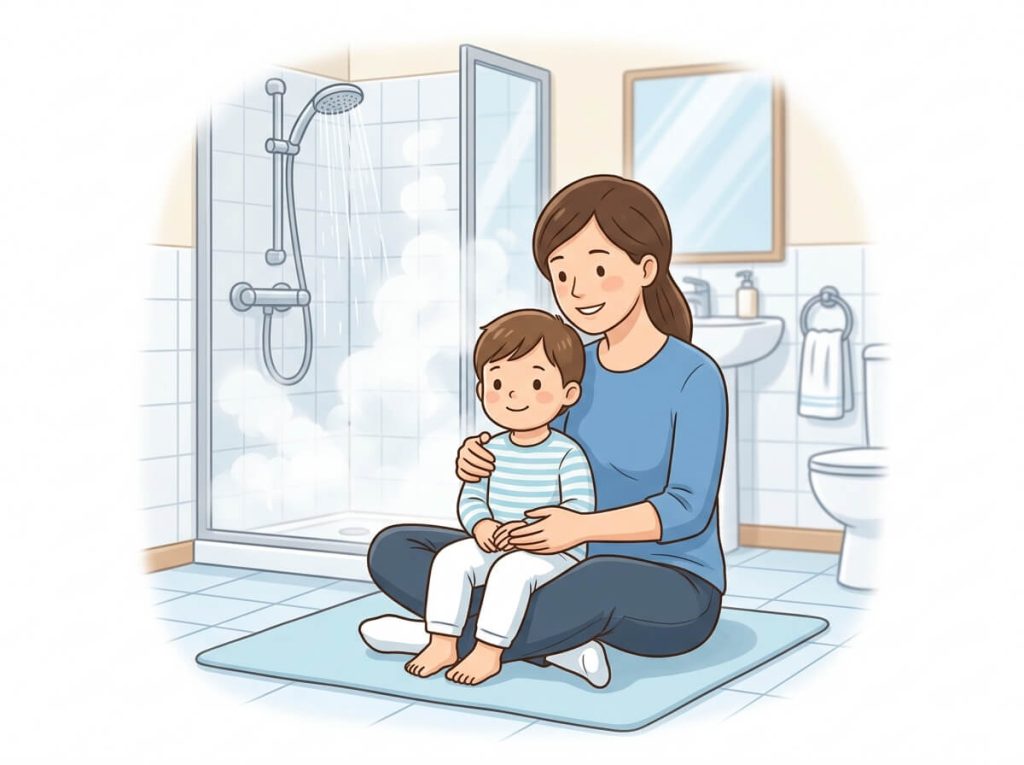
- Sit your child upright on your lap – this helps with breathing
- Offer small sips of water (if over 12 months)
- Use steam – sit with your child in a steamy bathroom for 10–15 minutes. Research confirms that steam inhalation is a common home remedy for croup, though evidence for its benefit is mixed.
- Cool night air – some parents find taking their child outside briefly helps
When to seek help:
- Seek emergency care immediately if: Stridor is present when your child is resting, not just when crying or upset
- See your GP if: Your child has stridor but is otherwise well, or the barking cough is persistent
Croup often resolves on its own within 48 hours, but symptoms can return at night.
Whooping Cough (Pertussis)
Whooping cough is a serious bacterial infection that can be dangerous for young babies. Vaccination offers good protection, but no vaccine is 100% effective.
Signs of whooping cough:
- Begins like a common cold with a runny nose and mild cough
- After 1–2 weeks, coughing fits begin
- Fits of coughing followed by a “whoop” sound when breathing in
- Coughing fits may end with vomiting or turning red/blue
- Symptoms are often worse at night
What to do:
- See your GP immediately if you suspect whooping cough
- Keep your child away from nursery or school until they have completed 48 hours of antibiotics (or for 3 weeks from the start of symptoms if not treated)
When to Seek Emergency Care for Cough in Children
- If your child has difficulty breathing
- If your child turns blue during a coughing fit
- If your baby under 6 months has symptoms, they are at the highest risk of complications
Home Care Guide for Cough in Children
Most childhood coughs can be managed safely at home. Here is your simple protocol.
1. Hydration Is Key
A cough can be dry and irritating if your child is dehydrated. Fluids help thin mucus and soothe the throat.
- For babies under 6 months: Continue breastfeeding or formula feeding as usual. Offer smaller, more frequent feeds if coughing makes feeding difficult.
- For babies 6–12 months: Offer cooled boiled water or breastmilk between feeds.
- For children over 12 months: Offer water, milk, or diluted juice. Warm honey and lemon in water can be soothing.
2. Use Honey (For Children Over 12 Months)
Research shows honey is more effective than cough medicine for relieving nighttime cough in children. How to use: Give ½ to 1 teaspoon of honey before bed. You can mix it into warm water or herbal tea.
Never give honey to babies under 12 months due to the risk of infant botulism.
3. Elevate the Head for Sleep
For children over 12 months, raising the head of the bed slightly can help reduce nighttime coughing. Use a pillow under the mattress, not directly under your child’s head.
Never use pillows for babies under 12 months due to the risk of SIDS.
4. Avoid Cough Medicines for Young Children
Over-the-counter cough and cold medications are not recommended for children under 4 years of age. The American Academy of Pediatrics specifically recommends against their use in young children. For children aged 4–6, they should only be used on the advice of a pharmacist or GP. There is no good evidence that cough suppressants help in any way.
5. Use a Cool-Mist Humidifier
Dry air can make coughing worse. A cool-mist humidifier in your child’s room may help. If you do not have one, placing a bowl of water near a radiator can add moisture to the air.
Never use a warm-mist humidifier or vaporiser as they pose a burn risk.
Why Is My Child Coughing Only at Night?
Nighttime coughing is common and usually caused by:
- Postnasal drip – Mucus pools at the back of the throat when lying down. This is often worse with sinusitis or allergies.
- Asthma – Nighttime is a common trigger for asthma symptoms. In children with asthma, coughing tends to be nonproductive and worse at night or in the early morning.
- Croup – Symptoms are often worse at night and can wake the child from sleep.
- Gastroesophageal reflux (GERD) – Stomach acid irritates the throat when lying flat. These children often wake up hoarse or complaining of a sour taste.
What helps: Elevate the head of the bed (for children over 12 months), use a cool-mist humidifier, ensure the bedroom is dust-free, and avoid late-night snacks if reflux is suspected.
Could My Child Have Swallowed Something?
If your child suddenly starts coughing with no other cold symptoms (no runny nose, no fever), consider whether they could have inhaled a small object or piece of food.
Red flags for aspiration:
- Sudden onset of coughing while eating or playing with small objects
- Choking or gagging episode followed by a persistent cough
- Wheezing on one side of the chest
Young children often put objects into their mouths and are therefore at risk of inhaling them. It is important to remember that the choking episode may not have been witnessed.
Seek emergency care immediately if your child is struggling to breathe or turning blue.
My Child Has a Cough But No Fever – Is That Normal?
Yes. Many coughs, especially those caused by post-viral irritation, allergies, or asthma, occur without fever. A cough alone is rarely an emergency. Focus on :
- How your child is breathing
- Whether they are feeding/drinking normally
- How long has the cough lasted
However, if a cough persists beyond 3 weeks without improvement, it is worth seeing your GP even without a fever.
Red Flags: When to Call Emergency Services Immediately
Seek emergency care if your child has:
When to See Your GP
Make an appointment with your GP if:
- Your child has had a cough for more than 3 weeks
- The cough is getting worse rather than better
- Your child has a fever that has lasted more than 5 days
- Your child is losing weight or not feeding well
- You suspect whooping cough
- Your child has a pre-existing condition (e.g., asthma, heart condition)
- The cough is wet and productive for more than 4 weeks (this could indicate protracted bacterial bronchitis)
What About Asthma Cough?
A persistent dry cough that is worse at night or with activity could be asthma. Other signs include :
- Wheezing (a whistling sound when breathing out)
- Shortness of breath
- Tightness in the chest
- Family history of asthma, eczema, or allergies
If you suspect asthma, speak to your GP. Do not try to manage this alone. Asthma is treatable but requires a proper diagnosis.
The Lingering Post-Viral Cough
After a cold, some children develop a dry, hacking cough that lingers for weeks. Around 10% of children are still coughing 3–4 weeks after a head cold. This is post-viral airway hypersensitivity – the infection is gone, but the airways remain irritated and “twitchy,” overreacting to minor triggers like cold air or laughter.
What helps: Time is the best healer. Honey (for children over 12 months) can soothe symptoms. If the cough persists beyond 4 weeks or is worsening, see your GP.
Related Childhood Illnesses
While you are here, you may find these guides helpful:
- Fever: Understanding fever and when to worry
- Dehydration: Signs your child needs more fluids
- Vomiting: When cough and vomiting occur together
Final Thoughts
Hearing your child cough is unsettling. But most coughs are caused by common viruses and will resolve on their own with rest, fluids, and time. Research shows that a “watch and wait” approach is appropriate for most children with prolonged acute dry cough, as natural resolution is often the eventual outcome.
Your job is not to stop every cough. Your job is to know which coughs need medical attention and which can be managed at home.
Keep this guide handy for those nighttime worries. Trust your instincts. And remember the red flags.

Nurse K is a practising PHC nurse in South Africa. She writes anonymously to help busy mums raise healthy little ones. Real advice. No jargon. No judgement.
Medical Disclaimer
Medical Disclaimer
The information provided on BusyMumsWorld is for general informational and educational purposes only. This website does not constitute medical advice, diagnosis, or treatment.
About Me
I am a registered nurse with the South African Nursing Council (SANC). I draw upon my nursing training and clinical experience to provide helpful, evidence-informed information for mothers, babies, and families. However, my role on this website is that of an educator and content creator, not your personal healthcare provider.
No Nurse-Patient Relationship
Your use of this website does not create a nurse-patient relationship between you and me. The content on this site does not replace an in-person clinical assessment, physical examination, or professional medical consultation. In accordance with the Nursing Act, 2005 (Act No. 33 of 2005) and the SANC Code of Ethics, I clearly distinguish between my role as a registered nurse in clinical practice and my role as a content creator.
For Babies and Children
Content related to infant and child health is for educational purposes only. Every child is unique. What works for one child may not be appropriate for another. Always consult your paediatrician, clinic sister, family doctor, or other qualified healthcare provider regarding any medical concerns about your child, including changes in behaviour, feeding, sleep, growth, or physical symptoms.
For Mothers
Content related to pregnancy, antenatal care, postpartum recovery, breastfeeding, and maternal health is for educational purposes only. Your healthcare needs are individual and may change during pregnancy and the postnatal period. Always seek guidance from your doctor, midwife, obstetrician, lactation consultant, or local clinic for any questions about your or your baby’s health.
South African Context
Where possible, I aim to provide information relevant to the South African healthcare context, including public and private healthcare considerations. However, healthcare resources, protocols, and availability may vary by province, facility, and individual circumstance. Always confirm information with your own healthcare provider.
SANC Compliance
In compliance with the rules and ethical guidelines of the South African Nursing Council (SANC):
- I clearly state that the information on this site does not constitute the practice of nursing as defined in the Nursing Act
- I do not offer individualised nursing assessments, diagnoses, or treatment plans through this website
- I encourage all readers to seek in-person care from registered healthcare professionals for their specific health needs
- I maintain professional boundaries by not providing specific medical advice in response to comments, emails, or messages
Emergency Warning
If you or your child is experiencing a medical emergency, do not use this website for advice. Call emergency services immediately. Alternatively, go to your nearest hospital emergency department, clinic, or doctor immediately.
Do not delay seeking emergency care because of something you have read on this website.
Limitation of Liability
I make every effort to ensure the accuracy of the information published on this site. However, medical knowledge is constantly evolving, and information may become outdated. I cannot guarantee that all information is complete, current, or accurate for every individual circumstance. I assume no responsibility or liability for any errors or omissions in the content of this site. Your use of this website is at your own risk.
Affiliate Disclosure
BusyMumsWorld participates in affiliate marketing programmes. This means that some links on this site may be affiliate links. If you choose to purchase through these links, I may earn a small commission at no additional cost to you.
My Commitment to You
I am a registered nurse with the South African Nursing Council (SANC). My recommendations are based on my professional knowledge, clinical experience, and genuine belief that a product may be helpful to my audience. Affiliate partnerships do not influence my clinical judgement, the information I provide, or my commitment to evidence-based content.
Important Note
Products mentioned on this site are for informational purposes only. If a product makes medical claims, please consult your doctor, paediatrician, or other qualified healthcare provider before use. My nursing credentials do not constitute an endorsement of any specific product, and I do not receive compensation for clinical recommendations.
Last Updated: March 2026