If Your Baby Seems Unwell, Here’s How to Think Clearly
When your baby suddenly seems unwell, it’s easy to feel anxious — especially at night when everything feels more intense.
Most baby symptoms, like fever, vomiting, or crying, are usually mild and temporary and often improve with simple home care. However, some symptoms can signal something more serious and need medical attention.
This guide will help you understand what is normal, what to monitor at home, and when to seek medical help – so you can feel more confident when your baby is unwell.
Understanding Baby Symptoms — What’s Usually Normal
Babies cannot tell us what’s wrong, so they show it through changes in behaviour, feeding, sleep, or physical symptoms.
Many everyday symptoms are part of normal development or mild illness. A baby may develop a mild fever, vomit once or twice, or become more unsettled than usual. These situations are often temporary and improve with simple home care.
What matters most is not just the symptom itself, but how your baby is behaving overall. A baby who is feeding well, alert, and responsive is usually less concerning than one who is unusually drowsy, difficult to wake, or refusing feeds.
Common Baby Symptoms and What They May Mean
Rather than looking at symptoms in isolation, it helps to understand them in context.
Fever in Babies: What It Usually Means
Fever is one of the most common reasons parents become worried, especially at night.
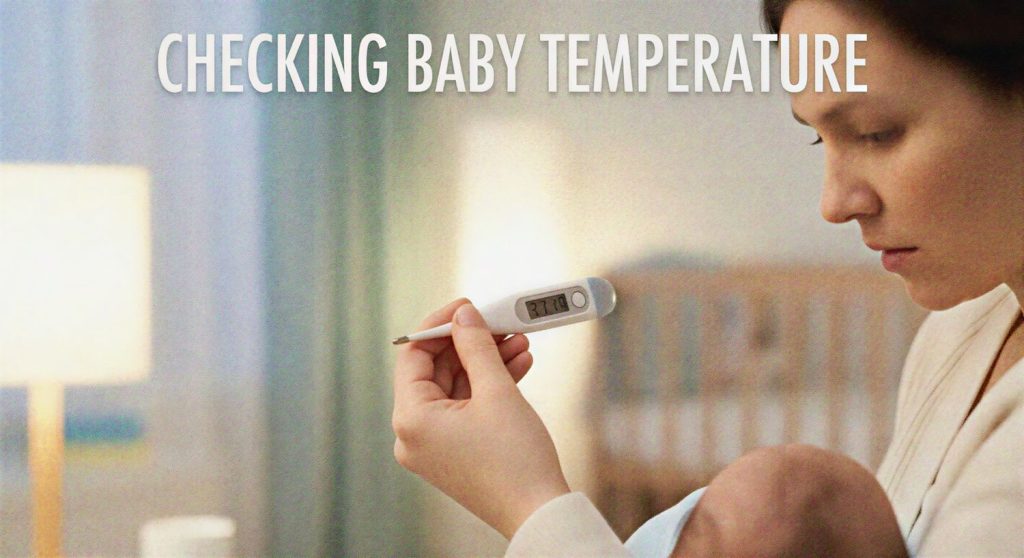
In many cases, a fever is the body’s natural response to infection and is a sign that the immune system is working.
What matters more than the number on the thermometer is how your baby is behaving. A baby who is feeding, alert, and responsive is often less concerning than one who is unusually drowsy or irritable.
Read more: Child Fever – What Is Normal and What Isn’t
Vomiting and Diarrhoea in Babies: Common Causes
Vomiting or diarrhoea can be distressing, but they are often caused by mild infections or temporary digestive upset.
The main concern is dehydration, especially in younger babies.
Watch for signs of dehydration:
- Fewer wet nappies
- Dry mouth or lips
- Unusual sleepiness or lethargy
Read more:
- Child Vomiting But No Fever: Causes, Red Flags, and What Parents Should Do
- Home Care for Diarrhoea in Toddlers: A Nurse’s Guide for Busy Mums
- Dehydration in Children: Signs, Symptoms, and Safe Rehydration – A Nurse’s Guide
Constipation in Babies: When It’s Normal
Constipation is common, especially when feeding changes occur.
Some babies may strain, pass hard stools, or appear uncomfortable. In many cases, this improves with simple adjustments and reassurance.
Read more: Constipation in Children: Safe Home Remedies Every Mum Needs to Know
Cough and Breathing Changes in Babies
A mild cough is often caused by a simple cold and usually improves on its own.
However, any changes in breathing should always be taken seriously.
Seek help urgently if you notice:
- Fast breathing
- Chest pulling in
- Struggling to breathe
- Blue lips or pauses in breathing
Read more: Cough in Children: Types and Safe Ways to Manage at Home
Rashes, Red Eyes, and Allergies in Babies
Skin and eye symptoms are very common and often linked to mild irritation or infections.
Most rashes are harmless and settle with basic care, but watch for:
- Spreading rash
- Swelling
- Signs of infection
Read more:
- Understanding Baby Rashes: What’s Normal?
- Red Eyes in Babies: Conjunctivitis vs Irritation
- Managing Mild Allergies at Home
Crying and Sleep Changes in Babies
Crying and sleep changes are often the first signs that something is wrong — but they are also normal developmental behaviours.
Babies may cry more when they are
- Hungry
- Overtired
- Uncomfortable
- Going through growth spurts or illness
Read more:
When Symptoms May Be Linked
Symptoms often happen together rather than in isolation.
For example:
- Fever may come with poor sleep and irritability
- Vomiting and diarrhoea often occur together
- Crying may be linked to discomfort or illness
Looking at the overall pattern helps you understand your baby better than focusing on one symptom alone.
When to Worry About Your Baby (Important Checklist)
While most symptoms are mild, there are certain signs that should not be ignored.
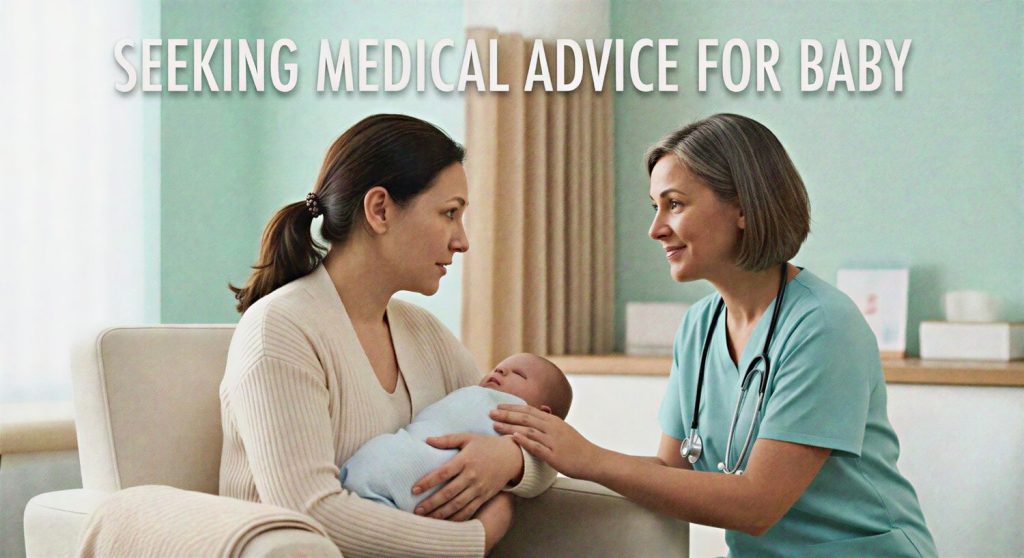
Seek medical advice if your baby has:
- A fever (especially in young babies)
- Refusing feeds or drinking much less than usual
- Repeated vomiting or diarrhoea
- Signs of dehydration (fewer wet nappies, dry mouth)
- Difficulty breathing or fast breathing
- Chest pulling or struggling to breathe
- Unusual drowsiness or difficulty waking
- Persistent, inconsolable crying
- A general “something is not right” feeling
If your baby looks unwell or is not behaving as usual, it is always safest to get them checked.
A Simple Way to Stay Calm in the Moment
When your baby is unwell, focus on these three questions:
- Is my baby feeding?
- Is my baby alert and responsive?
- Are symptoms getting better or worse?
Summary: What to Remember
Most baby symptoms are mild, temporary, and part of normal childhood illness.
Understanding what is normal — and knowing when to seek help — can make you feel more confident and less overwhelmed.
If you are ever unsure, it is always okay to seek medical advice — you know your baby best.

Nurse K is a practising PHC nurse in South Africa. She writes anonymously to help busy mums raise healthy little ones. Real advice. No jargon. No judgement.
Medical Disclaimer
Medical Disclaimer
The information provided on BusyMumsWorld is for general informational and educational purposes only. This website does not constitute medical advice, diagnosis, or treatment.
About Me
I am a registered nurse with the South African Nursing Council (SANC). I draw upon my nursing training and clinical experience to provide helpful, evidence-informed information for mothers, babies, and families. However, my role on this website is that of an educator and content creator, not your personal healthcare provider.
No Nurse-Patient Relationship
Your use of this website does not create a nurse-patient relationship between you and me. The content on this site does not replace an in-person clinical assessment, physical examination, or professional medical consultation. In accordance with the Nursing Act, 2005 (Act No. 33 of 2005) and the SANC Code of Ethics, I clearly distinguish between my role as a registered nurse in clinical practice and my role as a content creator.
For Babies and Children
Content related to infant and child health is for educational purposes only. Every child is unique. What works for one child may not be appropriate for another. Always consult your paediatrician, clinic sister, family doctor, or other qualified healthcare provider regarding any medical concerns about your child, including changes in behaviour, feeding, sleep, growth, or physical symptoms.
For Mothers
Content related to pregnancy, antenatal care, postpartum recovery, breastfeeding, and maternal health is for educational purposes only. Your healthcare needs are individual and may change during pregnancy and the postnatal period. Always seek guidance from your doctor, midwife, obstetrician, lactation consultant, or local clinic for any questions about your or your baby’s health.
South African Context
Where possible, I aim to provide information relevant to the South African healthcare context, including public and private healthcare considerations. However, healthcare resources, protocols, and availability may vary by province, facility, and individual circumstance. Always confirm information with your own healthcare provider.
SANC Compliance
In compliance with the rules and ethical guidelines of the South African Nursing Council (SANC):
- I clearly state that the information on this site does not constitute the practice of nursing as defined in the Nursing Act
- I do not offer individualised nursing assessments, diagnoses, or treatment plans through this website
- I encourage all readers to seek in-person care from registered healthcare professionals for their specific health needs
- I maintain professional boundaries by not providing specific medical advice in response to comments, emails, or messages
Emergency Warning
If you or your child is experiencing a medical emergency, do not use this website for advice. Call emergency services immediately. Alternatively, go to your nearest hospital emergency department, clinic, or doctor immediately.
Do not delay seeking emergency care because of something you have read on this website.
Limitation of Liability
I make every effort to ensure the accuracy of the information published on this site. However, medical knowledge is constantly evolving, and information may become outdated. I cannot guarantee that all information is complete, current, or accurate for every individual circumstance. I assume no responsibility or liability for any errors or omissions in the content of this site. Your use of this website is at your own risk.
Affiliate Disclosure
BusyMumsWorld participates in affiliate marketing programmes. This means that some links on this site may be affiliate links. If you choose to purchase through these links, I may earn a small commission at no additional cost to you.
My Commitment to You
I am a registered nurse with the South African Nursing Council (SANC). My recommendations are based on my professional knowledge, clinical experience, and genuine belief that a product may be helpful to my audience. Affiliate partnerships do not influence my clinical judgement, the information I provide, or my commitment to evidence-based content.
Important Note
Products mentioned on this site are for informational purposes only. If a product makes medical claims, please consult your doctor, paediatrician, or other qualified healthcare provider before use. My nursing credentials do not constitute an endorsement of any specific product, and I do not receive compensation for clinical recommendations.
Last Updated: March 2026